High-precision aquatic processing machinery engineered for Brazil's diverse coastal and freshwater industrial demands.
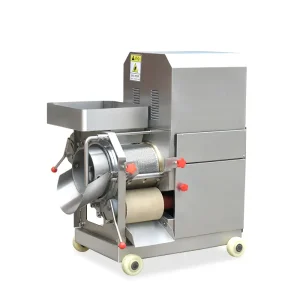
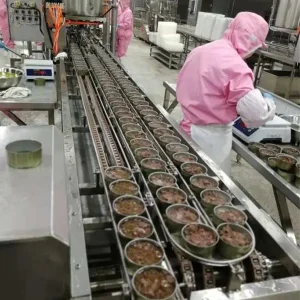
Optimized for Brazilian tuna processing hubs, ensuring high yield and texture quality.
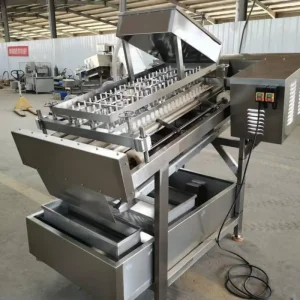
High-speed automation for the expanding shrimp export market in Ceará and Rio Grande do Norte.
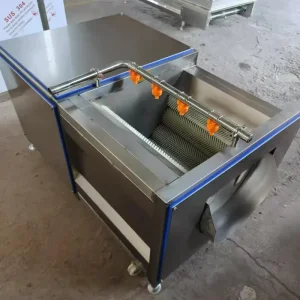
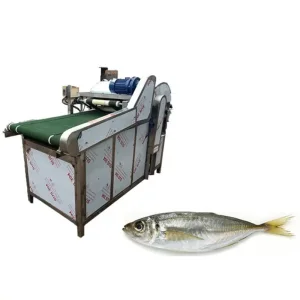
Specifically calibrated for Brazil's tilapia boom, handling high volumes with surgical precision.
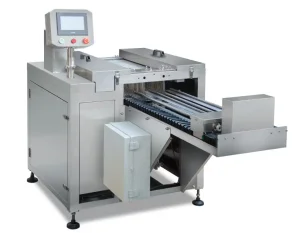
Advanced PLC interface supporting Portuguese language and SIF hygiene standards.
As of 2024, Brazil has solidified its position as a global powerhouse in the seafood industry. With an coastline extending over 8,000 kilometers and the world's largest freshwater reserve in the Amazon basin, the demand for advanced Seafood Machine Manufacturers & Suppliers in Brazil has reached an all-time high. The Brazilian "Blue Economy" is no longer just about traditional fishing; it is a sophisticated industrial chain that integrates AI-driven automation with sustainable practices.
The geography of Brazil dictates the type of machinery required. In the South and Southeast regions (Santa Catarina and Rio de Janeiro), the focus is on industrial-scale sardine and tuna processing. Here, our turnkey canned tuna making machines are essential for meeting the high-speed canning demands of the domestic market. Meanwhile, in the West-Central and South (Paraná and Mato Grosso do Sul), the explosive growth of tilapia aquaculture has created a massive need for automated scaling and filleting solutions that can handle the unique bone structure of freshwater species.
This machine is used to cut meat into small pieces or paste form, at the same time, they could mix the raw material in the pot. Ideal for Surimi production and traditional Brazilian fish ball "Bolinho de Peixe" processing.
Read More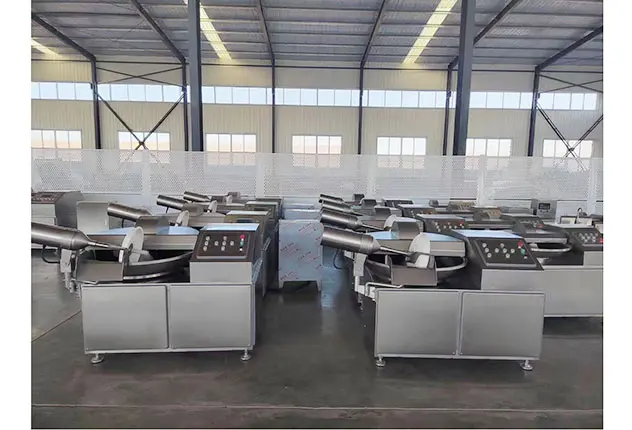
Modern Brazilian food processors are shifting away from labor-intensive manual methods toward Industry 4.0 standards. As a leading supplier, we have identified several key trends:
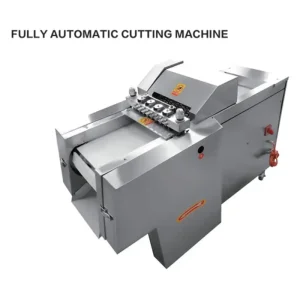
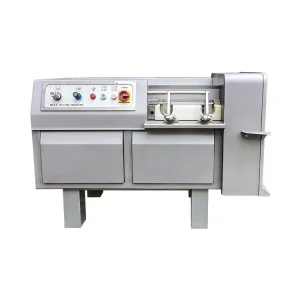
Whether it is processing the massive Pirarucu in the North or the delicate shrimp of the Atlantic, localized application scenarios are vital. Our PLC-controlled cutting machines allow operators to switch programs between species instantly, a feature highly valued by multi-species processors in São Paulo's industrial zones.
End-to-end processing equipment for fish, meat, and value-added seafood products.
Choosing a Seafood Machine Manufacturer requires more than just looking at a price tag; it requires a partner with deep technical expertise and experience in the South American market. Our machines are built with high-grade SUS304 stainless steel, resistant to the corrosive saline environments of Brazilian coastal facilities.
We understand that downtime in a processing plant in Itajaí or Manaus can lead to massive losses. That is why our reliability is backed by:
With Brazil's commitment to the Pacto Global, our machines are optimized to minimize waste. By utilizing precision cutting technology, we increase the yield of fish fillets by up to 15%, ensuring that more of the natural resource reaches the consumer and less ends up as industrial waste. This authoritative approach to manufacturing has made us a trusted name from Porto Alegre to Belém.
As the Brazilian seafood market continues its trajectory toward becoming a top 3 global producer, FSL Food Machinery remains committed to providing the technological backbone for this growth. Our presence in Brazil is a testament to our dedication to quality, innovation, and local economic development.

FSL Food Machinery is a leading provider of innovative and high-quality food machinery solutions. With a strong commitment to excellence and customer satisfaction, we specialize in designing, manufacturing, and supplying a wide range of food processing and packaging equipment. Our cutting-edge machinery is designed to meet the evolving needs of the food industry, helping businesses in Brazil optimize their production processes, enhance product quality, and increase efficiency.
April 10, 2026
A quiet but profound industrial revolution is currently reshaping the agricultural and food manufacturing landscape. Driven by rapid demographic shifts and an expanding middle class with an increasing appetite for high-quality protein, the meat and seafood processing sector is undergoing a historic paradigm shift. In Brazil, this means integrating robotic arms and AI sensors into standard production lines to maintain global competitiveness.
Read Full Article FSL Food