Germany stands as a global titan in the meat processing industry, harmonizing centuries-old butchery traditions with vanguard engineering. As home to IFFA Frankfurt, the world's leading trade fair for the meat sector, Germany dictates global standards in hygiene, efficiency, and food safety. The German "Mittelstand"—the backbone of the economy—comprises highly specialized machinery manufacturers that provide robust solutions for both artisanal "Metzgerei" (butcher shops) and massive industrial slaughterhouses in regions like Lower Saxony and North Rhine-Westphalia.
Highest Hygiene Standards
Stainless Steel Quality
AI Integrated Systems
Energy Efficient Motors
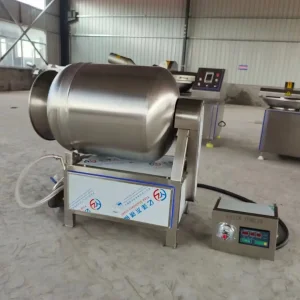
In the current commercial climate, Meat Machine Suppliers in Germany are increasingly focusing on automation to combat labor shortages. From the iconic Currywurst production lines in Berlin to high-capacity Schnitzel processing in Bavaria, the demand for precision dicing, grinding, and vacuum marinating has never been higher. Local factories emphasize "Integrated Hygiene Design," ensuring that every machine—be it a simple mincer or a complex PLC-controlled line—can be sanitized within minutes, adhering to strict EU regulations.
Advanced sensors ensure every cut of meat or fish is portioned with 99% accuracy, minimizing waste in high-cost steak production.
Real-time data tracking for temperature, motor load, and throughput, accessible via mobile devices for German factory managers.
Built with the operator in mind, reducing physical strain and improving safety in compliance with German BG-Regulations.
The trajectory of meat processing in Germany is pivoting toward Sustainability and Transparency. Consumers are demanding to know the exact origin and processing conditions of their meat. Consequently, suppliers are integrating blockchain-ready QR code generators directly into the labeling units of meat machines. Furthermore, the rise of "Plant-Based Meat Alternatives" has led German factories to adapt their traditional machinery. A standard German meat grinder is now expected to handle soy protein and pea-based masses with the same efficacy as beef or pork.
Artificial Intelligence (AI) is no longer a buzzword but a core component. AI-driven vision systems are being utilized in Tuna processing and Fish Fillet machines to detect bone structures and optimize the cutting path automatically. This technological leap reduces the "human factor," ensuring consistent quality across 24/7 production cycles common in Hamburg's seafood processing hubs.
As a leading provider of innovative food machinery solutions, we specialize in bridging the gap between high-end German engineering requirements and cost-effective manufacturing. Our machinery is designed to optimize production processes, enhance product quality, and increase efficiency for businesses ranging from local German butcher shops to international food conglomerates.

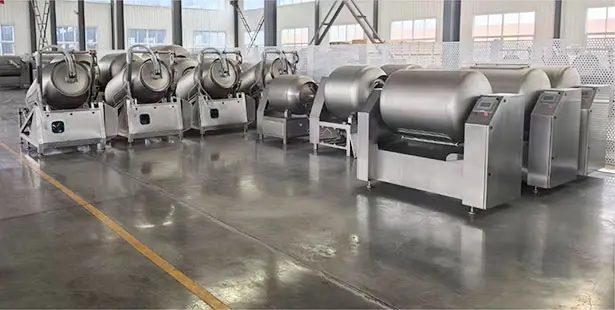
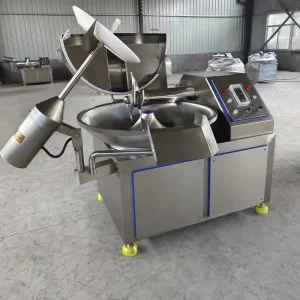
Designed for the rigorous demands of Northern Germany's seafood industry, this machine cuts meat into precise small pieces or paste while simultaneously mixing raw materials in the pot. It is an essential tool for creating high-quality fish cakes or traditional meat spreads.
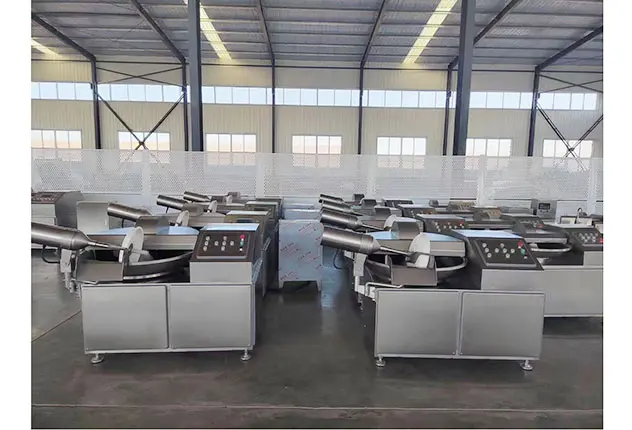
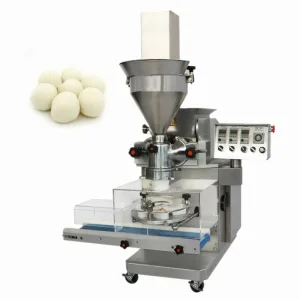
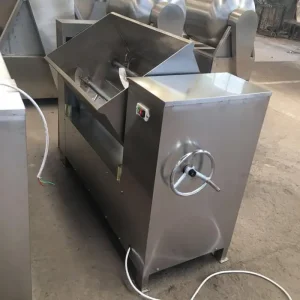
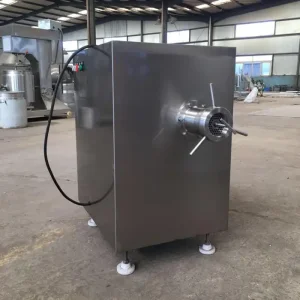
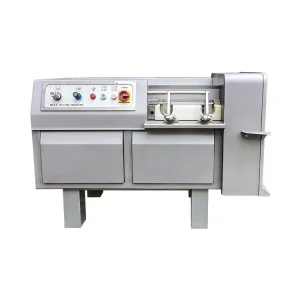
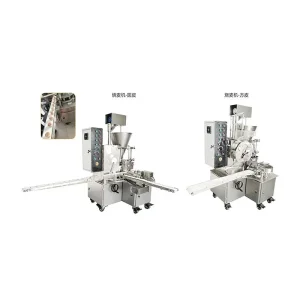
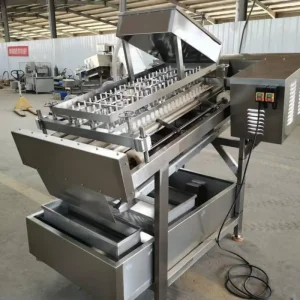
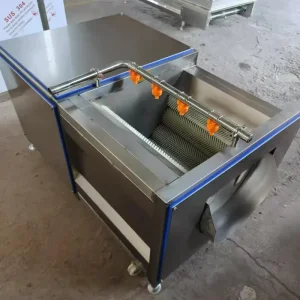
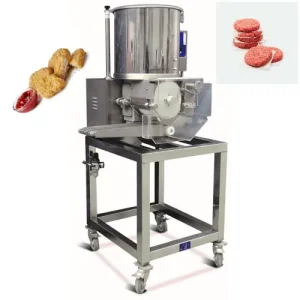
Understanding the German market requires recognizing the diverse regional culinary landscape. In Baden-Württemberg, for instance, there is a specialized need for machinery that can handle "Maultaschen" production—a traditional German dumpling. This requires meat mixers that can achieve a specific texture without over-processing the filling. Similarly, in the Thuringian region, famous for its Bratwurst, meat grinders must offer exact temperature control to prevent the fat from melting during the mincing process, ensuring the "snap" and flavor profile the region is known for.
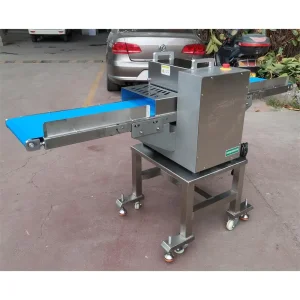
In Northern coastal cities like Bremen and Bremerhaven, the focus shifts to industrial fish processing. Our Tuna/Salmon Fish Fillet Cutting Machines with PLC control are engineered to withstand the saline environments of North Sea processing plants. These machines utilize V4A acid-resistant stainless steel to ensure longevity against corrosive seawater and aggressive cleaning agents.
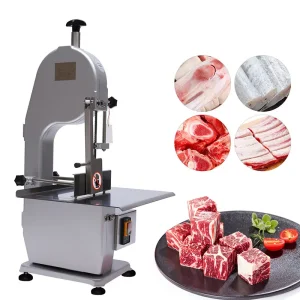
Finally, the "Zero Waste" movement in Germany has spurred a demand for Bone Band Saws and Head/Tail Cutting Machines that maximize yield. German factories are increasingly turning to these automated tools to extract the highest value from every carcass, reflecting a deep-seated cultural value of efficiency and respect for the animal resource. By partnering with a supplier that understands these local nuances, German businesses can ensure their production lines are not only productive but also culturally and regulatory compliant.
Gentle Processing
Bavarian Standard
Modular Factory Layouts
German Service Network
Contact our engineering team today for a customized consultation on how our AI-integrated meat machinery can reduce your operational costs and boost your production yield in the German market.
Send Inquiry Now FSL Food