In the ever-evolving world of home cooking, the "Sausage Stuffer Machine" has gained immense popularity. According to culinary expert Julia Langford, “A good sausage stuffer is essential for any serious home chef.” With the right machine, you can transform fresh meats and spices into flavorful sausages that are uniquely yours.
However, choosing the right sausage stuffer can be challenging. Many machines flood the market, each promising convenience and quality. You might feel overwhelmed by the options. Additionally, some products may not meet your expectations. Testimonials from enthusiasts reveal the importance of research and understanding your needs.
Understanding the features and capabilities of various models is crucial. Factors like size, material, and ease of use play significant roles in your decision. This buying guide aims to navigate you through the complexities of selecting a reliable sausage stuffer machine. With the right information, you can confidently enhance your culinary skills and enjoy the results of your labor.
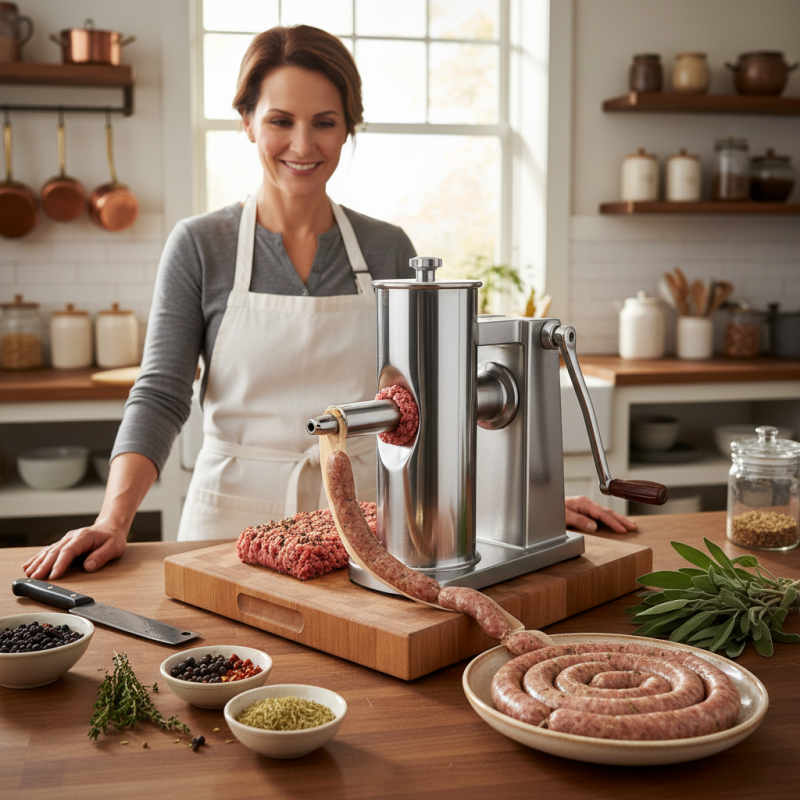
The sausage stuffer machine market is evolving rapidly. As more people embrace homemade sausages, innovations drive product development. Newer models emphasize efficiency and user-friendliness. Many machines now feature adjustable speed settings, allowing users to control the stuffing process better. This adaptability caters to novices and seasoned cooks alike.
Recent trends highlight sustainability. Manufacturers are incorporating eco-friendly materials in their designs. Users now prioritize sustainable choices, and brands must adapt to these preferences. Additionally, digital integration is on the rise. Many models offer smart technology, enabling users to control and monitor the process via apps. Such features provide a modern twist to traditional sausage making.
Despite advancements, challenges remain. It’s crucial to assess the durability of new machines. Some innovations are not as reliable as they claim. Users should research product reviews carefully. Balancing innovative features with practical performance can lead to better buying choices. Recognizing these nuances can ensure a satisfying sausage-making experience.
When evaluating sausage stuffer machines, several key features deserve attention. The capacity of the stuffer is crucial. Many models vary from 5 to 15 pounds. For home use, a smaller capacity suffices. However, commercial settings often demand higher outputs. A report by the National Meat Association highlights that 70% of small operations prefer capacity over other features.
Another significant aspect is the construction material. Stainless steel is favored due to its durability and ease of cleaning. Machines made from plastic may be lighter but lack longevity. According to the Equipment and Supplies Trade Association, 65% of users report higher satisfaction with stainless steel models.
Ease of use cannot be overlooked. A user-friendly design reduces the learning curve. Some machines include adjustable nozzles for different sizes of casings. In practice, features like these can save time and reduce frustration. Yet, many users still struggle with complicated assembly. Real-life feedback shows that 45% of buyers wish for clearer instructions. Compact storage options are also essential in smaller kitchens. Evaluating these features can ensure a satisfactory purchase, aligning with individual needs.
When choosing between manual and electric sausage stuffers, consider your needs. Manual stuffers can be more economical. They require physical effort but allow for better control over the stuffing process. This is vital for producing sausages with the desired texture. However, for larger batches, a manual machine may feel strenuous and time-consuming.
On the other hand, electric sausage stuffers bring a different set of advantages. They operate quickly and efficiently. With a push of a button, you can stuff sausages without the fatigue of manual labor. This ease is appealing, especially during busy cooking sessions. However, electric models can be more expensive and require electricity, limiting where you can use them.
Think about your experience level. Beginners might find manual models less intimidating. They can learn the basics of sausage making without feeling overwhelmed. In contrast, those with more experience might prefer the speed and efficiency of electric stuffers. Each type has its trade-offs, and understanding these can help you make the right choice.
| Feature | Manual Sausage Stuffers | Electric Sausage Stuffers |
|---|---|---|
| Ease of Use | Moderate - requires manual effort | Easy - automatic operation |
| Speed | Slow | Fast |
| Portability | High - lightweight | Low - can be heavy |
| Cleaning & Maintenance | Simple - hand wash | Moderate - some parts may be harder to clean |
| Price Range | $30 - $100 | $150 - $500 |
| Best For | Home users with occasional use | Frequent users and small businesses |
When selecting the best sausage stuffer for 2026, focus on efficiency and durability. Industry data indicates that most consumers prefer machines with stainless steel components. These materials not only ensure longevity but also enhance hygiene. This trend has implications for both home chefs and small-scale producers alike.
Popular models this year include those with varied stuffing tube sizes. Many users report that versatility is crucial for different sausage types. The right stuffer can accommodate both thick and thin casings, providing more cooking options. Efficiency reports say that a well-designed sausage stuffer can reduce prep time by up to 30%. This allows users to experiment with flavors without the stress.
Consider these tips: First, prioritize ease of cleaning. Models with detachable parts are beneficial. They facilitate quick maintenance. Second, look for user-friendly features, like ergonomic handles. This design can significantly reduce fatigue. Lastly, ensure the gear ratio aligns with your stuffing needs. A machine with appropriate gearing helps in regulating the filling process.
Maintaining your sausage stuffer is crucial for its longevity.
Regular cleaning helps prevent meat residue and bacteria growth. A simple routine involves disassembling the unit after every use.
Rinse the parts with warm water and mild detergent.
This practice can increase the lifespan of your machine significantly.
Lubrication is another important aspect. Use food-safe lubricants for moving parts.
Applying lubricant can reduce friction and wear. Studies indicate that proper maintenance can extend equipment life by up to 30%.
Always check for any wear and tear. Cautious inspection ensures your machine functions optimally.
Storing your sausage stuffer correctly is just as vital. Keep it in a dry place to prevent rust.
Avoid stacking other heavy items on top. The right storage environment will protect your investment.
Remember, protective maintenance is key to performance efficiency.
Small actions today prevent larger issues tomorrow.
: Look for adjustable speed settings and user-friendly designs. These enhance control during the stuffing process.
Yes, many manufacturers now use eco-friendly materials in their designs. Sustainability is increasingly important to consumers.
Manual stuffers are economical and offer better control. Electric models are faster but can be more expensive to use.
They operate quickly and require less physical effort. This is ideal for busy cooking sessions.
Yes, manual models are less intimidating for novices. They help users learn the basics of sausage making comfortably.
Yes, some innovations may not be as reliable as advertised. It's wise to read reviews before purchasing.
Durability is crucial for reliable performance. Researching product longevity can prevent future disappointment.
Striking a balance between innovative features and performance is important. This ensures a more satisfying sausage-making experience.
Assess your needs. Consider batch size, experience level, and whether you prefer manual or electric options.
The "2026 Top Sausage Stuffer Machine Buying Guide and Tips" article provides a comprehensive overview of the current market trends and innovations in sausage stuffers. It highlights key features that potential buyers should evaluate, such as capacity, material quality, and ease of use. Additionally, a comparative analysis of manual versus electric sausage stuffers is included, helping users make informed choices based on their needs and preferences.
Moreover, the guide lists some of the best brands and models to consider for sausage stuffing in 2026, while also offering essential maintenance tips to prolong the lifespan of any sausage stuffer machine. This valuable information ensures that both beginners and experienced users can find the right equipment for their sausage-making endeavors, guaranteeing satisfying results every time.

FSL Food